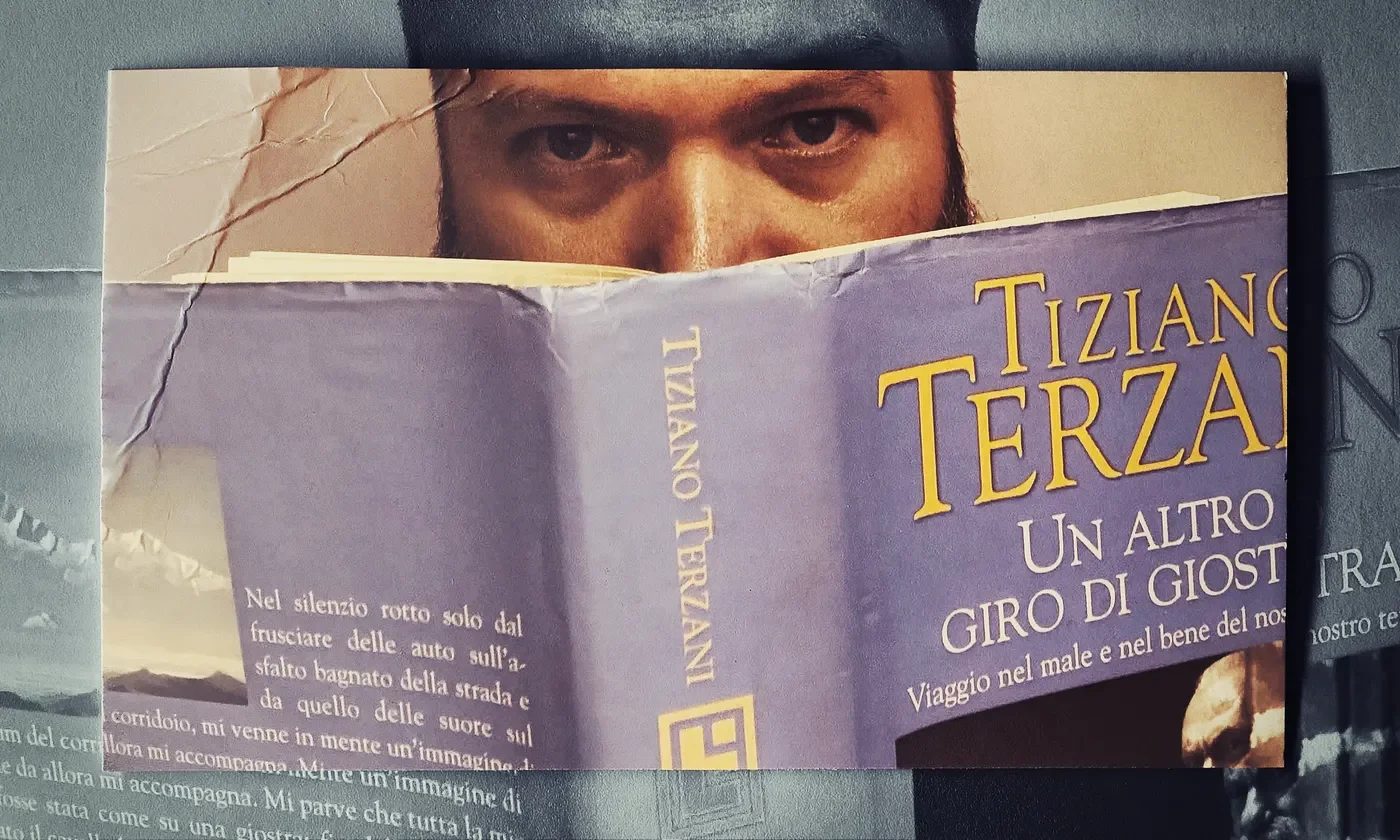
A Surgical Ward, a Philosophy of Mind, and the Same Paperback
In 2005 a dying patient handed me a book he had inscribed that morning. He called it bibliotherapy: a text turned into a therapeutic instrument. I have read that book four times since, across four versions of the same reader. A fifth reading is planned. Each time, the book stopped being his further.
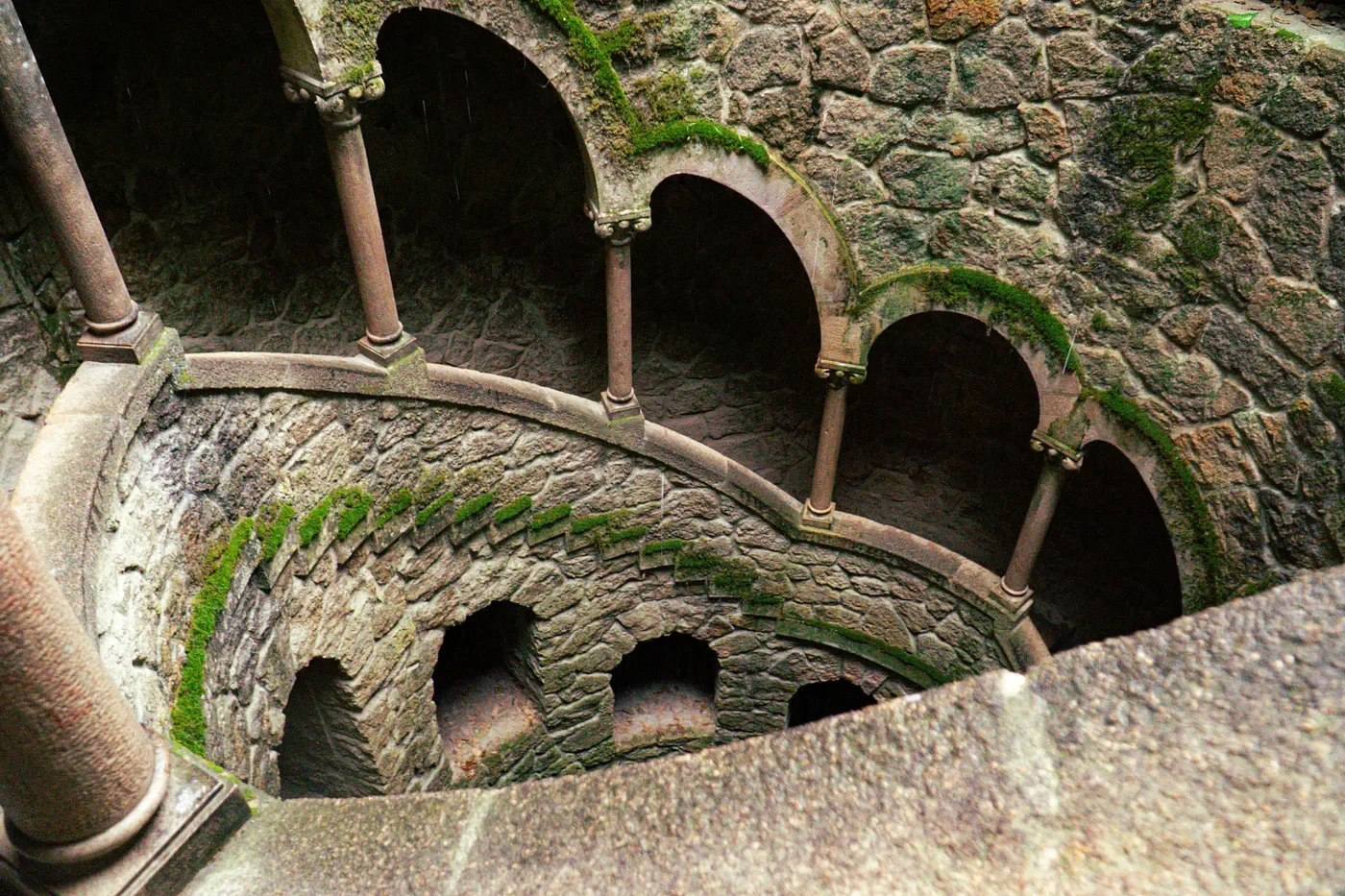
The House of Asterion: Why Normal Was Never a Discovery
Borges gave the Minotaur a first-person voice and took away the monster. What remained was a figure who had organised an entire existence around a labyrinth not of his making, and had come to mistake the architecture for the self. The diagnosis at forty-eight did not reveal who I was. It revealed what I had been building around the absence of that knowledge.
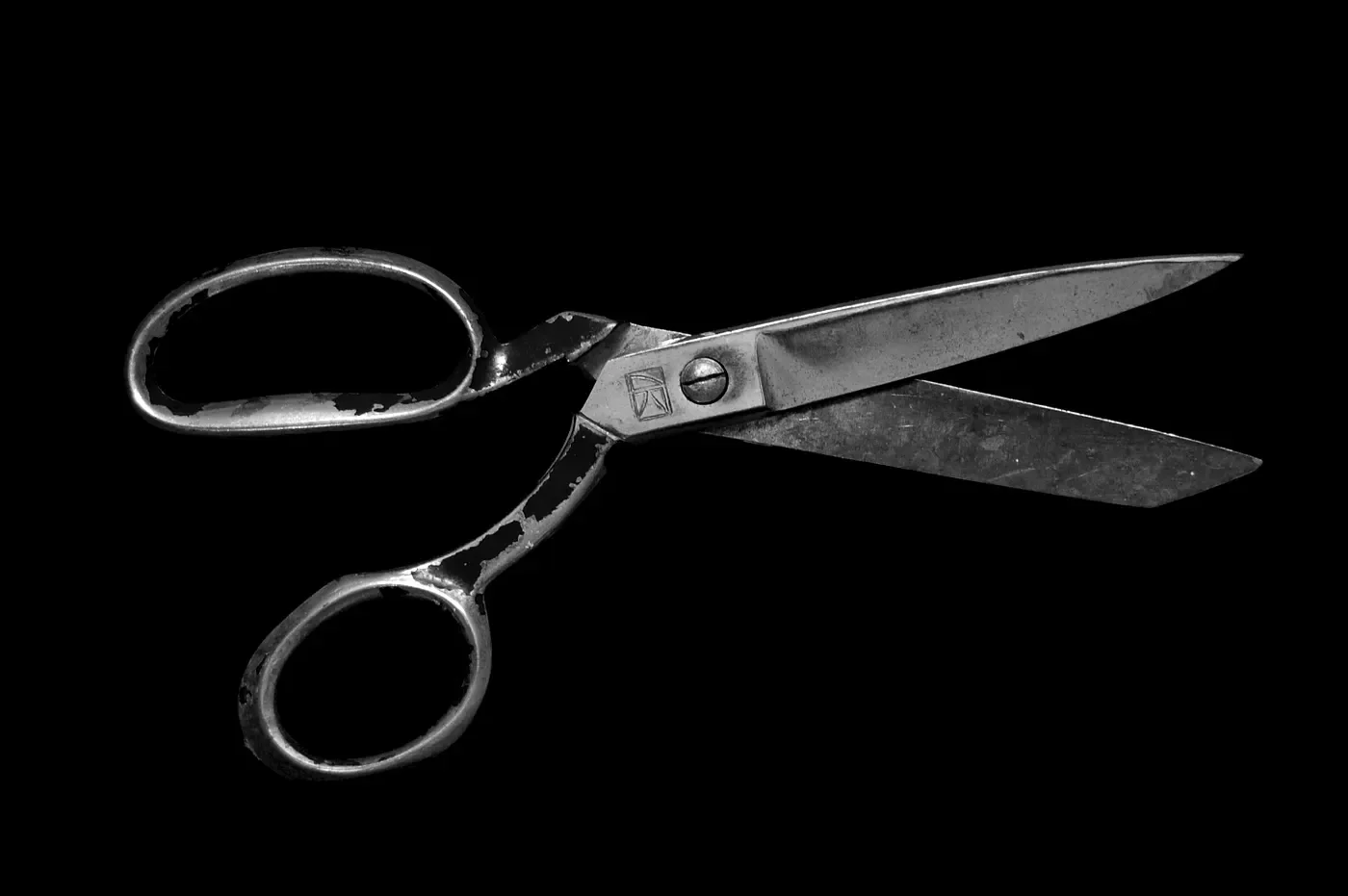
Edward Scissorhands Never Left the Hill. I Haven't Decided If I Will.
Burton gave Edward no villain, no resolution, no recovery arc. The town that welcomed him was the same town that expelled him. I watched the film again at forty-nine and recognised the structure: not a fable about difference, but a precise diagram of the cost-benefit analysis an autistic adult runs every time the decision to re-enter a social environment presents itself.
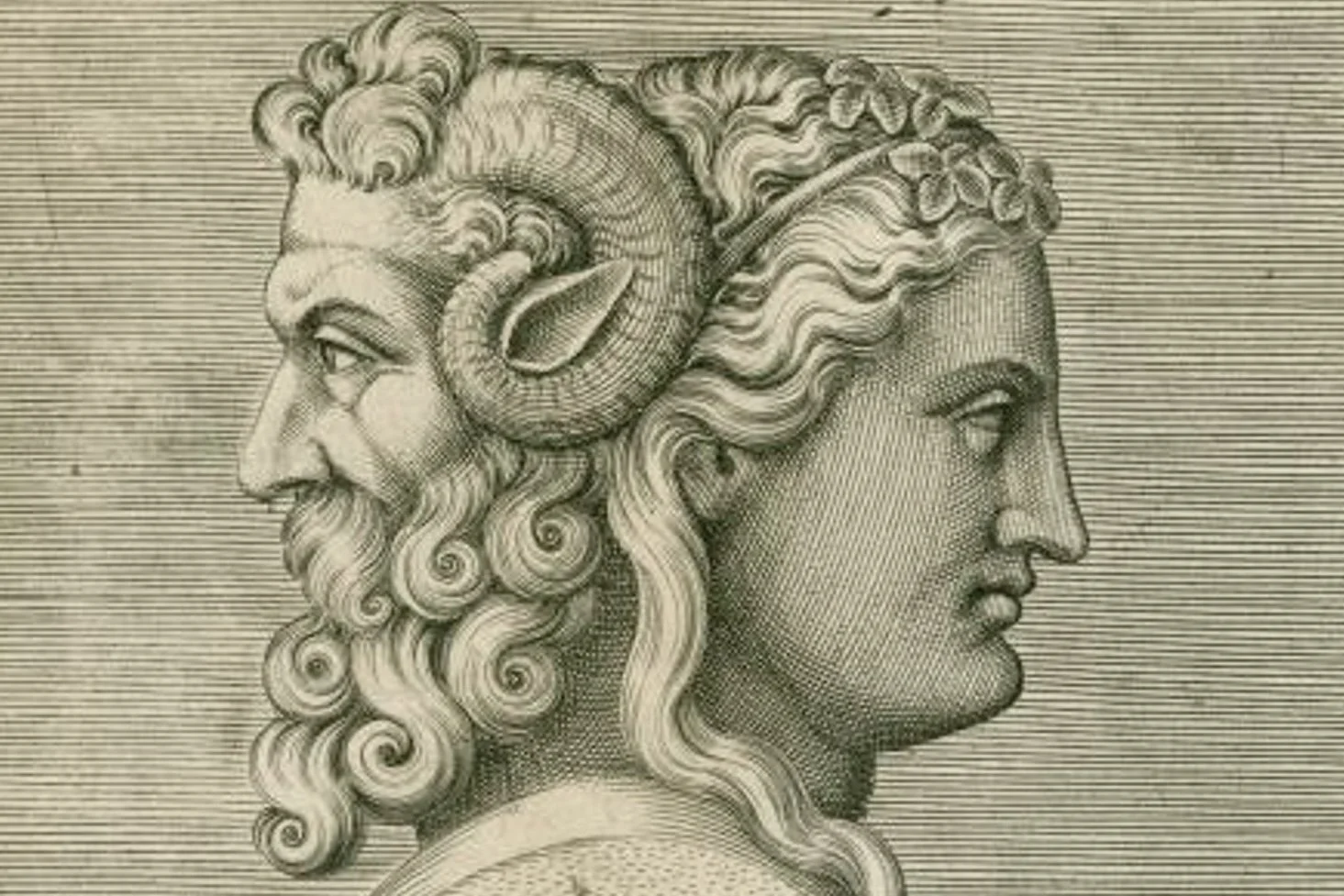
Homer, the Right Hemisphere, and an Unfinished Coup
Jaynes dated the emergence of the modern self to roughly 1200 BCE, locating the mechanism in the left hemisphere's gradual annexation of the inner voice the right hemisphere had been generating. Three independent traditions, working with completely different materials, keep encountering the same boundary: a threshold between two modes of cognition that neither philosophy nor neuroscience can fully close.
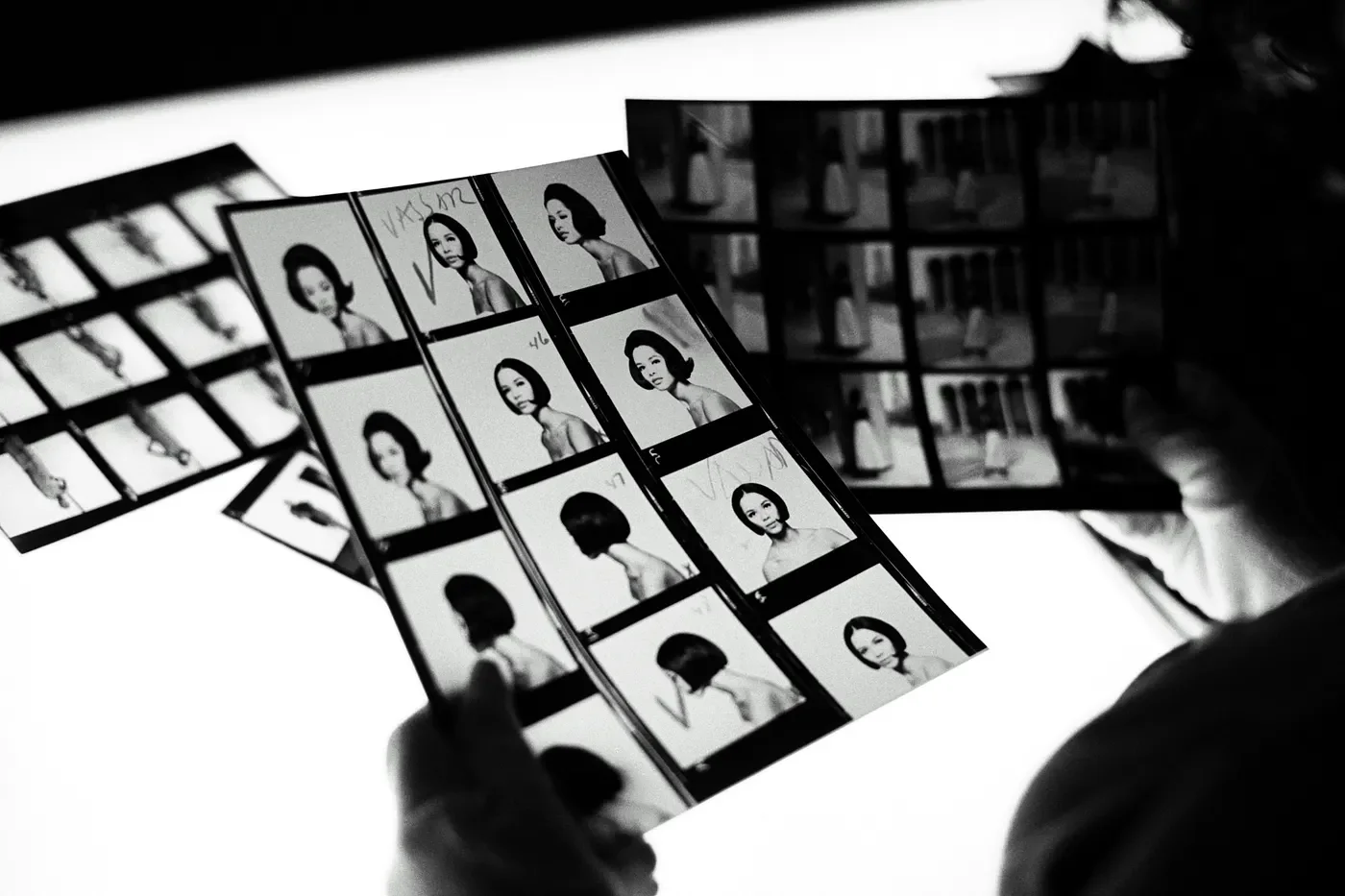
What Photography Taught Me About Autistic Comfort
I shoot in bursts, keep three frames, and discard the rest without regret. When a friend wrote that she was terrified of an audition wave, I sent her the only method I trust: shoot fifty frames, keep three. Submit to everything. The comfort I have to offer was never going to arrive as an improvised feeling. It arrives as something I already built for myself.

5 'Kind' Things Said to Autistic People (That Actually Hurt)
"You don't seem autistic." "We're all a little autistic." "You just need to try harder to socialize." Five phrases delivered with genuine warmth, each landing as its opposite. The exhausting part is not the phrase itself. It is the constant, invisible translation work of turning irritation into patience, in real time, without anyone noticing the labor.
A Worm, a Wave Function, and Your New Hip
I confirmed the size of a femoral prosthesis against the surgical plan and drove home with a question I could not leave: what made the person on the table still that person, once the metal replaced what the bone used to do? Three unrelated fields, with no citation history between them, keep running into the same difficulty when they try to make identity a fact about matter.

The Caregiver With No Patient
Every caregiver burnout protocol assumes two people: one who gives care, one who receives it. What happens when both roles occupy the same body? The same trait that erases an autistic person from a room erases the self-caregiving they perform in that room from any clinical record capable of studying it. The gap was never an oversight. It is the mechanism's own event horizon.

The Ritual That Works Without Meaning It
I select a single track and repeat it without variation for an hour or longer. Neural entrainment, ethnomusicology, and Zen practice converge on the same finding from three unrelated disciplines: a saturated, repeated form produces a regulatory state regardless of what the participant believes about it. Meaning is not the active ingredient. The form is.

Epictetus at 8: Drowning's Lesson in the Chorus's Idea of Care
At eight years old, underwater off Gallipoli, I held a single unadorned choice between two outcomes. Either I would surface or I would not. That morning built a hierarchy that has never required a session of disputation to maintain. What my chorus reads as absence of care is a scale of consequence calibrated once, in salt water, and held since.

The Narcissistic Wound Has a Cortisol Level
Three disciplines with no citation history between them converge on the same answer. Freud traces species-level rupture. Maslow traces individual self-model collapse. Selye measures what a body does under sustained pressure. All three describe the same fork: rupture followed by a bifurcation between integration and exhaustion. Rupture does not produce growth. It produces the condition under which growth becomes possible.

What Schools Read as a Deficit Is a Question in the Wrong Channel
A student reads the poem twice. The images arrive with photographic precision. The emotional register the question addresses stays inert. The channel the question assumes was never switched on. A blank on the page measures no student. It measures the question the institution chose to ask.

Solaris and the Empty God
Lem's ocean resists every instrument the station points at it, then reaches into the one archive no instrument was ever built to open and gives it a shape a person can stand in a room with. Three systems, reaching by contrary methods and governed by no shared authority, arrive at the same boundary: propositional cognition keeps meeting a register it cannot enter on its own terms.
Why Innocence Is Autism Advocacy's Gentlest Cage.
The comment section called autistic people angels, pure souls, beings of light incapable of harm. The deficit narrative said defective. The purity narrative says pure. The structure is identical: both flatten a human being into a single evaluative category. A halo is still a costume. An affirmed self without its shadow is only a cleaner mask.

The Algorithm Knew Before You Did
A machine learning model can classify suicide risk with greater accuracy than clinical judgment, identifying trajectories the person living that trajectory has not yet recognized. If the information that determines my trajectory exists before my consciousness registers it, what exactly is consciousness doing when it believes it is choosing? Free will is the name we give to what we cannot yet measure.

Why You Confuse Emotions With Feelings. Two Collapsed Triangles.
Emotion is a biochemical event. Feeling is a cognitive construct. The culture has fused them so completely that the question cannot arise. Zinberg's drug model and Sternberg's love triangle share the same collapsed geometry: the peak absorbs everything, the context and investment vanish. The alexithymic lives in the silence between the two signals and reads both.

An Atheist's Case for the Spiritual
The Third Man Syndrome: under extreme stress, people perceive a benevolent invisible presence that guides them to survival. The standard account calls it fragmentation. Invert the premise: the Third Man appears when the mind returns to something it had been before it learned to be one. Consciousness precedes the narrative self and survives its dissolution.

Nine Months of Jungian Analysis Taught Me to Stop Decoding
I had built an extensive map of myself: frameworks, compensatory behaviors, the late autism diagnosis as the explanatory key that made the previous decades legible. The map was accurate. The map was also consuming me. My analyst kept redirecting attention from the representation to the territory. The unconscious is not an archive to be administered. It is a companion that knows the way to the village.

The Act of Faith Every Materialist Already Performs
The recognition of consciousness in another person has never been a verification. It has always been a decision. The privacy of qualia makes intersubjective confirmation structurally impossible, for any substrate, in any case. The shared biology was providing comfort, not proof. The act of faith was always already there.

How I Catalogued Ten Relationships and Found No Self. Only Architecture.
Reorganising my iCloud photo library, the face-recognition function flagged ten names. Ten women, distributed across years, mapped onto the same taxonomic grid. The algorithm presented them with functional neutrality. What it disclosed was not a history of relationships. It was the trace of an architecture that had been running continuously since childhood, revising its own grammar under load.