Two publications, one author.
I publish through two Medium publications that I founded and edit: Materia, on the philosophy of consciousness, and The Other Mind, on cognition, identity, and human difference seen through an autistic lens.
Materia | Philosophy of Consciousness
The hard problem of consciousness, taken seriously. Philosophy of mind, neuroscience, contemplation.
The Other Mind | Autism, Cognition, Identity
The world is the subject, the autistic mind the lens. Essays on cognition, identity, and human difference.
Latest essays
How a Novelist's Method Wrote My 23-Page Medical Protocol
Low working memory means every interruption erases the thread, not just the sentence. A week of writing a clinical protocol at the kitchen table, with two daughters and a household that does not pause, required a different architecture. Randy Ingermanson built it for novelists. It works for an AuDHD brain for the same reason.
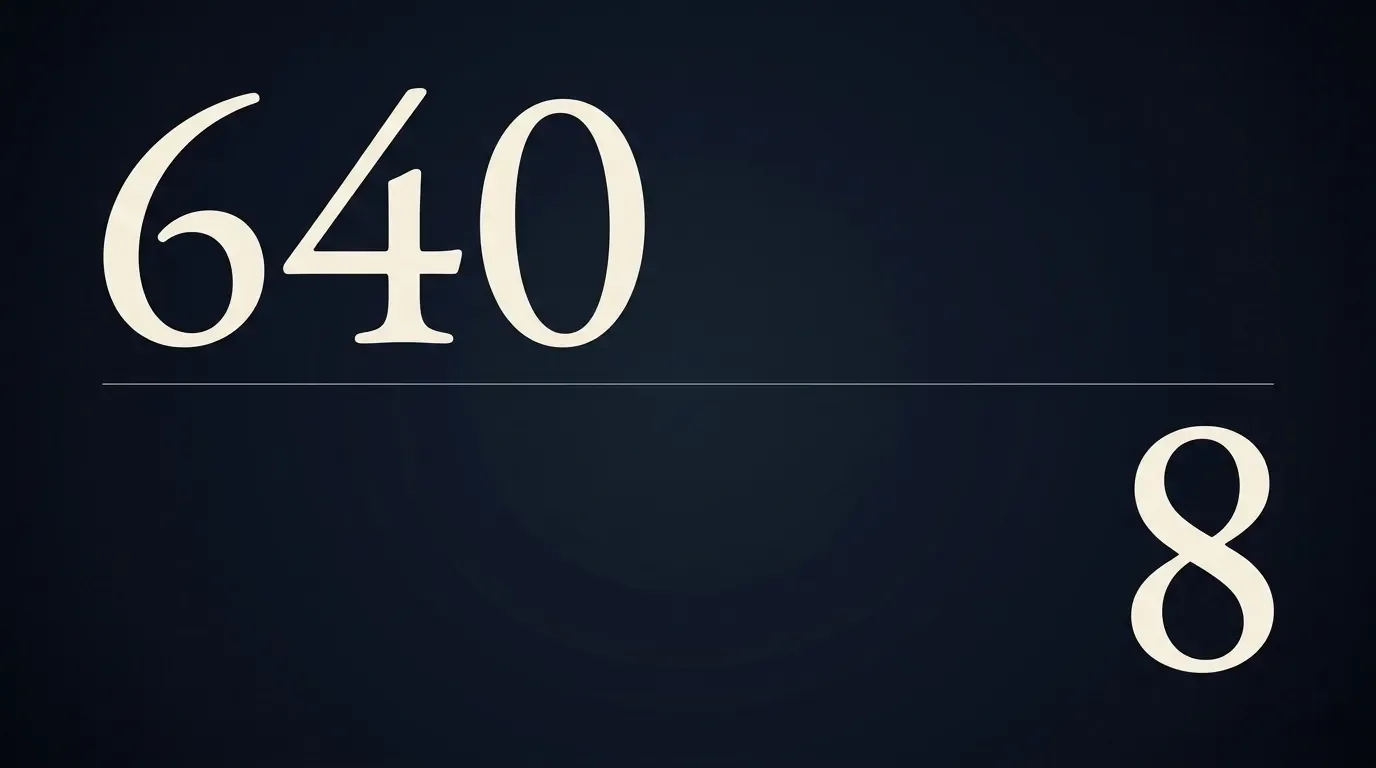
How a Birthday Audit Tested Cialdini's Reciprocity at 49
640 contacts, each with a documented birthday, each receiving a message on the day. Two weeks after my forty-ninth birthday: 8 replies. Cialdini's reciprocity principle is built on a substrate the autistic profile does not share.
48 Years of Autistic Sleep. Hesiod Named It First.
The grief that arrives after a late autism diagnosis has two components. One looks backward into a life already lived under a regime that did not name itself. The other looks toward something that cannot be looked at. Hesiod named both, twenty-seven centuries ago.
How D&D Dice and a 60-Second Timer Run My AuDHD Day
The kitchen at 9 a.m. on Saturday has defeated me a thousand times. Autistic structure generates plans of architectural beauty that never deploy. ADHD urgency scatters across whatever is most stimulating. Six dice rolls and a 60-second timer make both systems point in the same direction.
30 Years of Self-Blame. Marx and Goldman Sachs Showed Me Why.
In 2003 I delivered a wound-care protocol to a Milan ward. Months later I found it in the hospital guidelines, verbatim, without my name. I told myself my ideas were not strong enough. It took a diagnosis at 48, Marx, and two investment banks to read what had actually happened.

The Math of Life at 48: Why Partnership Loses Its Advantage
Marginal utility, Machiavelli, and Jung arrive at the same conclusion from different directions: at a certain age, the calculus of romantic partnership inverts. The energy not spent on synchronizing two nervous systems becomes energy available for everything else. This is optimization, not withdrawal.
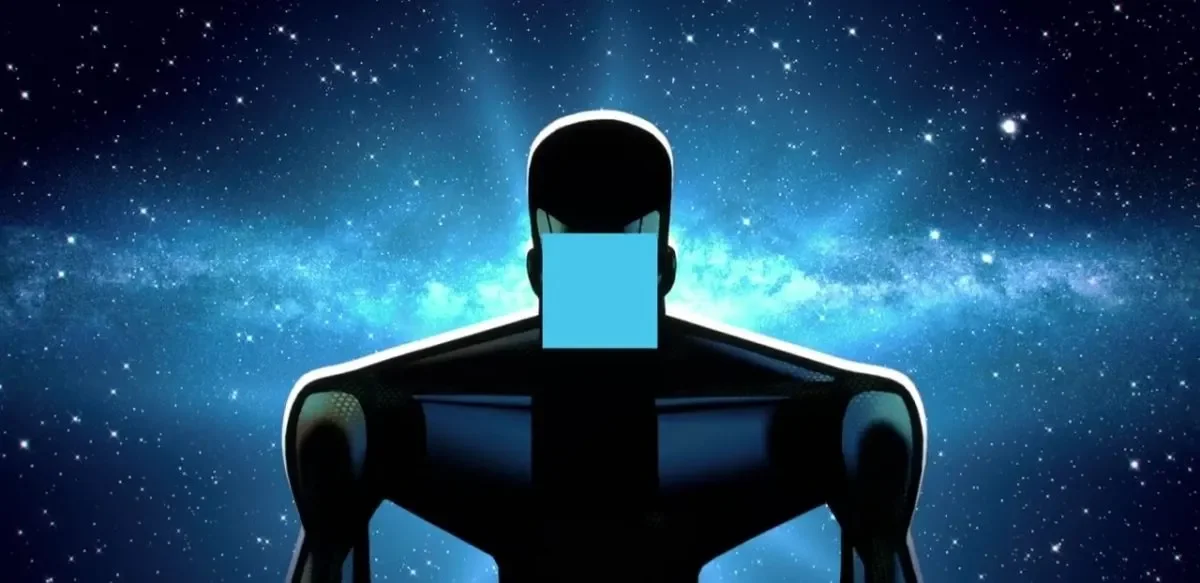
Zima Blue: The Autistic Masking Parable Nobody Expected
A ten-minute animation about a pool-cleaning robot who becomes the most celebrated artist alive, then strips away every accumulated layer to return to the tile. I paused the screen at minute four and did not resume for thirty minutes. Zima's blue had been expanding in me for forty-eight years.

Pebbling on Sant Jordi: What Autistic Love Teaches Everyone About Giving
In Montblanc on Sant Jordi, dozens of couples exchanged roses and books without explanation. I watched and recognized the gesture: a symbolically charged object, offered without contractual expectation. The internet calls it penguin pebbling. Catalonia calls it a feast day. The impulse is identical.
What If Chaos Was Never the Enemy? My Pandemic Hospital Lesson on True Mental Survival
March 2020. The streets were empty and I felt good, an almost obscene sense of wellbeing. Then I would reach the hospital and chaos devoured everything. The gap between those two worlds forced a question I could no longer ignore: if my serenity depended on the absence of turbulence, what happened every time I stepped inside?
I Trained in Autism for Years. I Closed the Manual on Myself.
At forty-five the nervous system gave way. The specialists gave it a name: major depression. At the heart of the medical institution, biological reality was ignored once again. It would take three more years, and a different word entirely.

Is it Depression or Autistic Burnout? Why the Difference Matters for Psychedelic Therapy
For three years I lived with a diagnosis of depression that explained my symptoms without explaining anything. What I felt resembled a computer with too many applications open for too long, stuck in a loop. When the autism diagnosis arrived, the loop had a name: autistic burnout. Psilocybin may offer a window of plasticity. The mountain still has to be climbed.
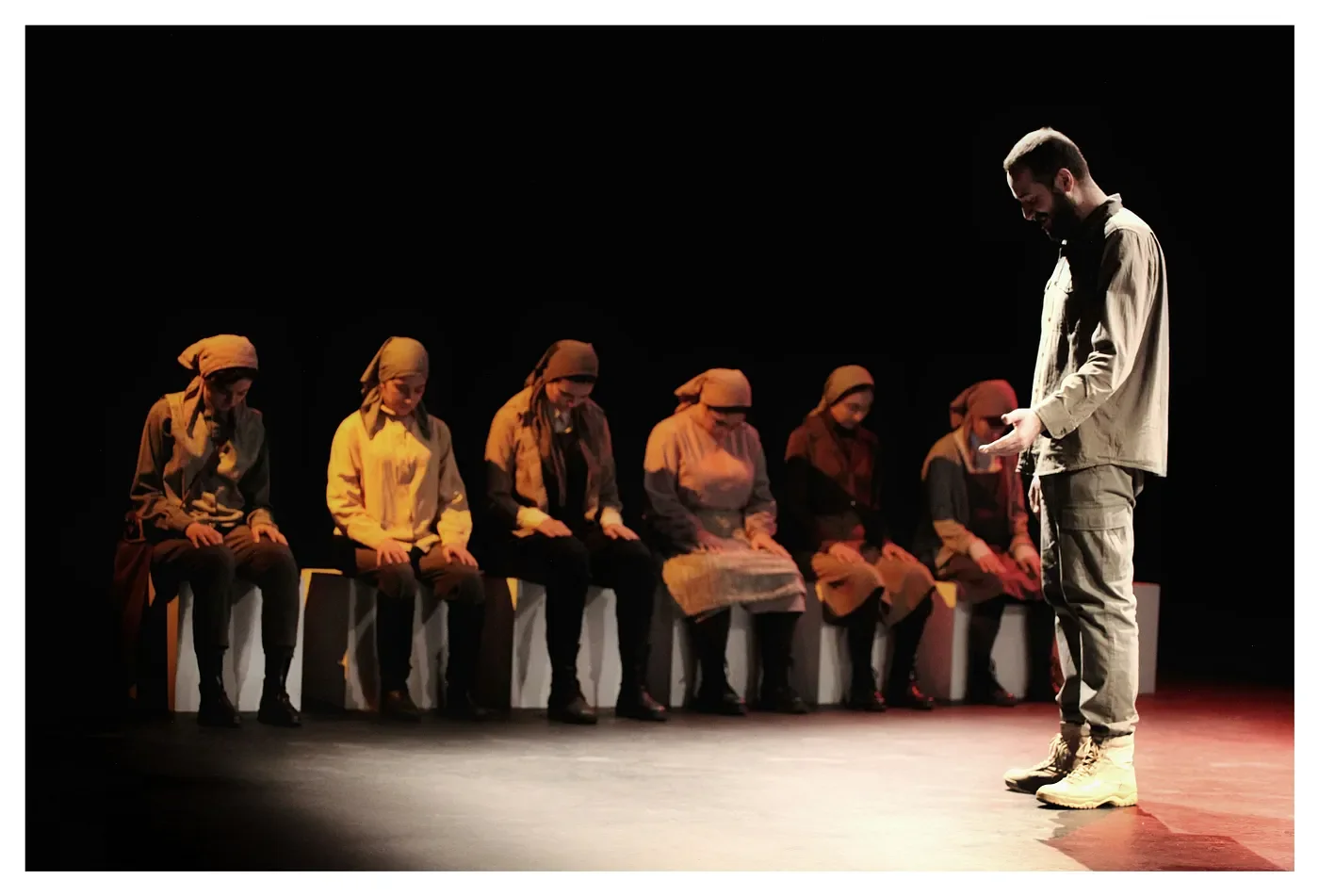
The 48 Year Performance: How an Adult Diagnosis Rewrote My Entire Life
I discovered I was autistic at forty-eight. The first thing I felt, even more than surprise, was a fierce relief: finally, a map for a territory I had crossed in the dark my whole life. What follows is not a list of symptoms. It is the story of seven things I had carried without knowing what to call them.

"Seek the Yellow": The Dream Command That Reshaped My Analysis
I woke with a phrase as clear as a command: "seek the yellow." An alexithymic brain runs on muted affect. The dream found a frequency it could not mute. What followed in the analyst's chair was not interpretation. It was an access point to something the waking mind had consistently refused to register.
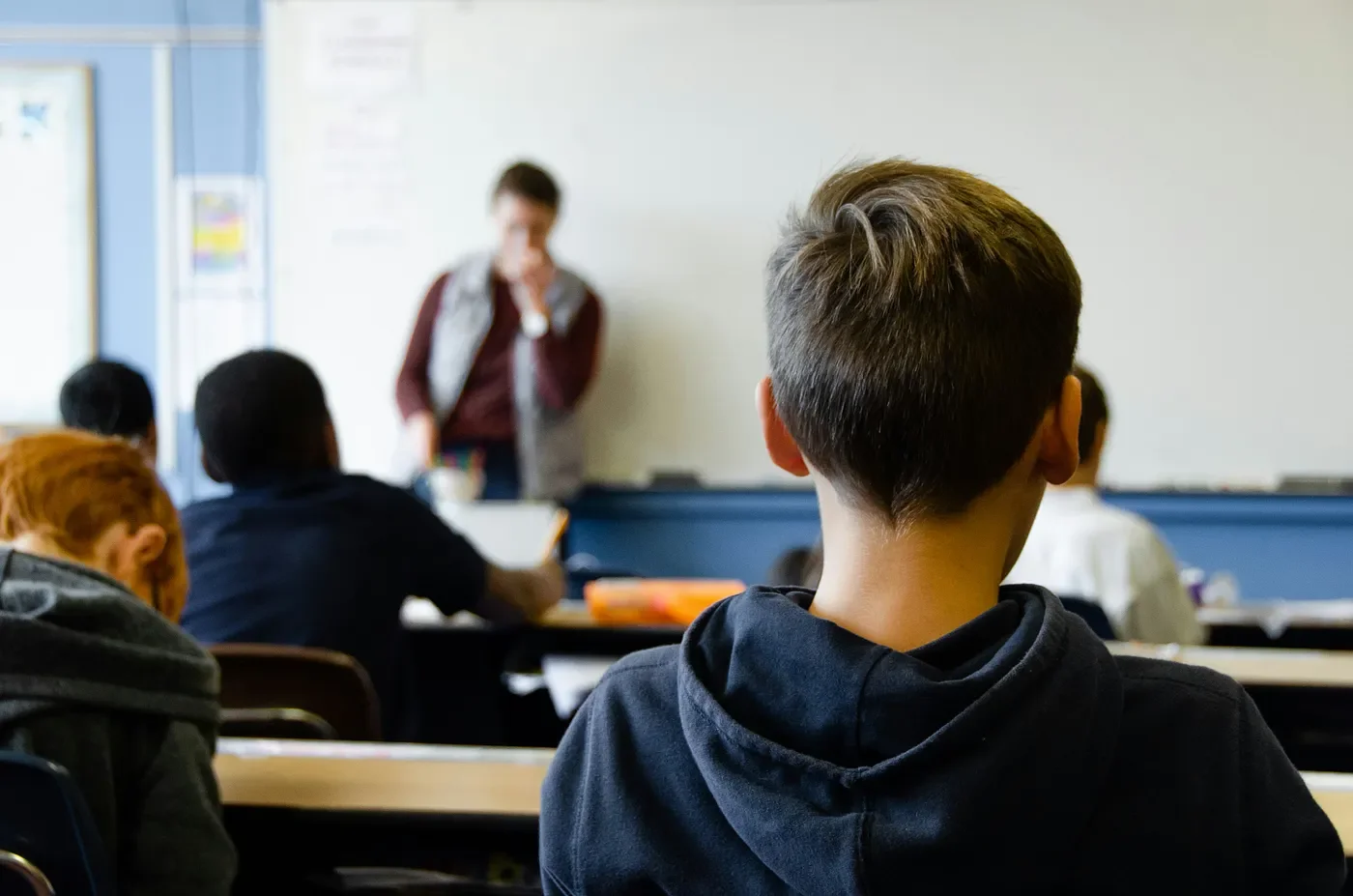
My Teacher Said 'Germans.' I Was Eight. I Was AuDHD.
The lights came back on and thirty pairs of eyes turned toward me. The teacher had said "Germans" instead of "Nazis." I was the German in the class. The logical injustice was almost physical: I was born decades after those events, in a country that had built its identity on rejecting that past. Logic had nothing to do with what followed.
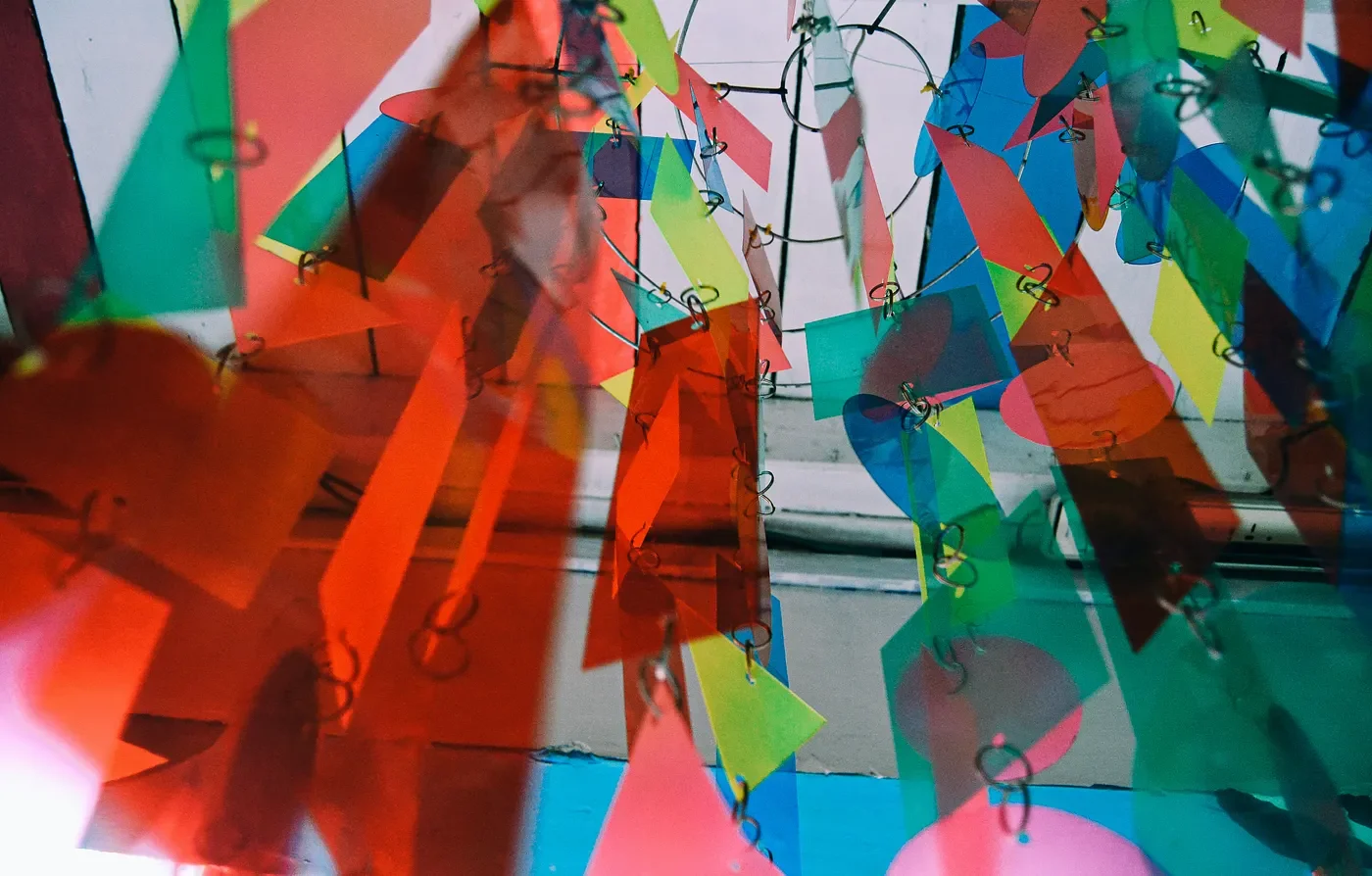
The Sensory Bypass: How AuDHD Minds Use Visual Art to Decode a Silent Heart
I finished watching Sorrentino's Parthenope with tears I could not explain. I am AuDHD and alexithymic: emotions exist as powerful radio signals, but I have no decoder. Certain moving images dissolve the glass between me and experience. I needed to understand the mechanism.
Autism and the Illusion of Reality: Are We All Trapped Inside a Filter?
The Hard Problem of consciousness has a technical name that rings out like an epitaph. Its persistence suggests something unsettling: perhaps we have misunderstood the nature of the search itself. If the neurotypical brain operates as a filter optimized for social cohesion, some autistic configurations operate with different selectivity parameters. This does not make them epistemically superior. It makes them different.
Isolation Saved My Life (And I’m Not Sick)
Three days without seeing anyone. Society treats this as a red flag. The Buddhist monk who retreats for years is called spiritually disciplined. The autistic adult who retreats for a weekend is called a clinical case. The difference is only in the narrative built around the same behavior.
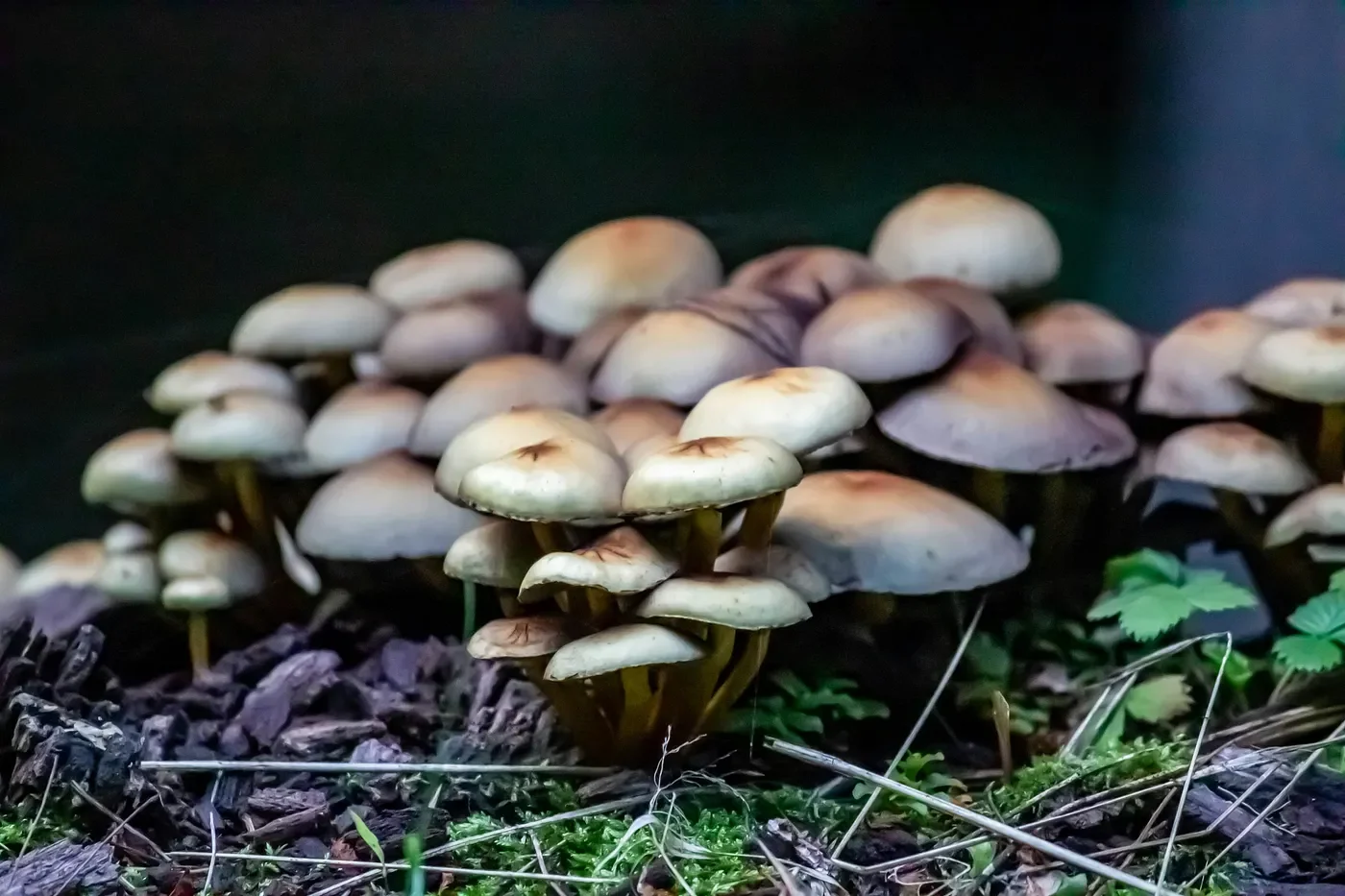
When Time Flows Elsewhere: Autistic Life Between Quantum and Hyperfocus
Yesterday I lost six hours studying fungi. The sun had shifted, my body was protesting from ignored hunger, someone had sent three alarmed messages. I was not distracted. I was elsewhere. Autistic time is not broken. It is calibrated differently, and that difference has a cost the world has never bothered to measure.
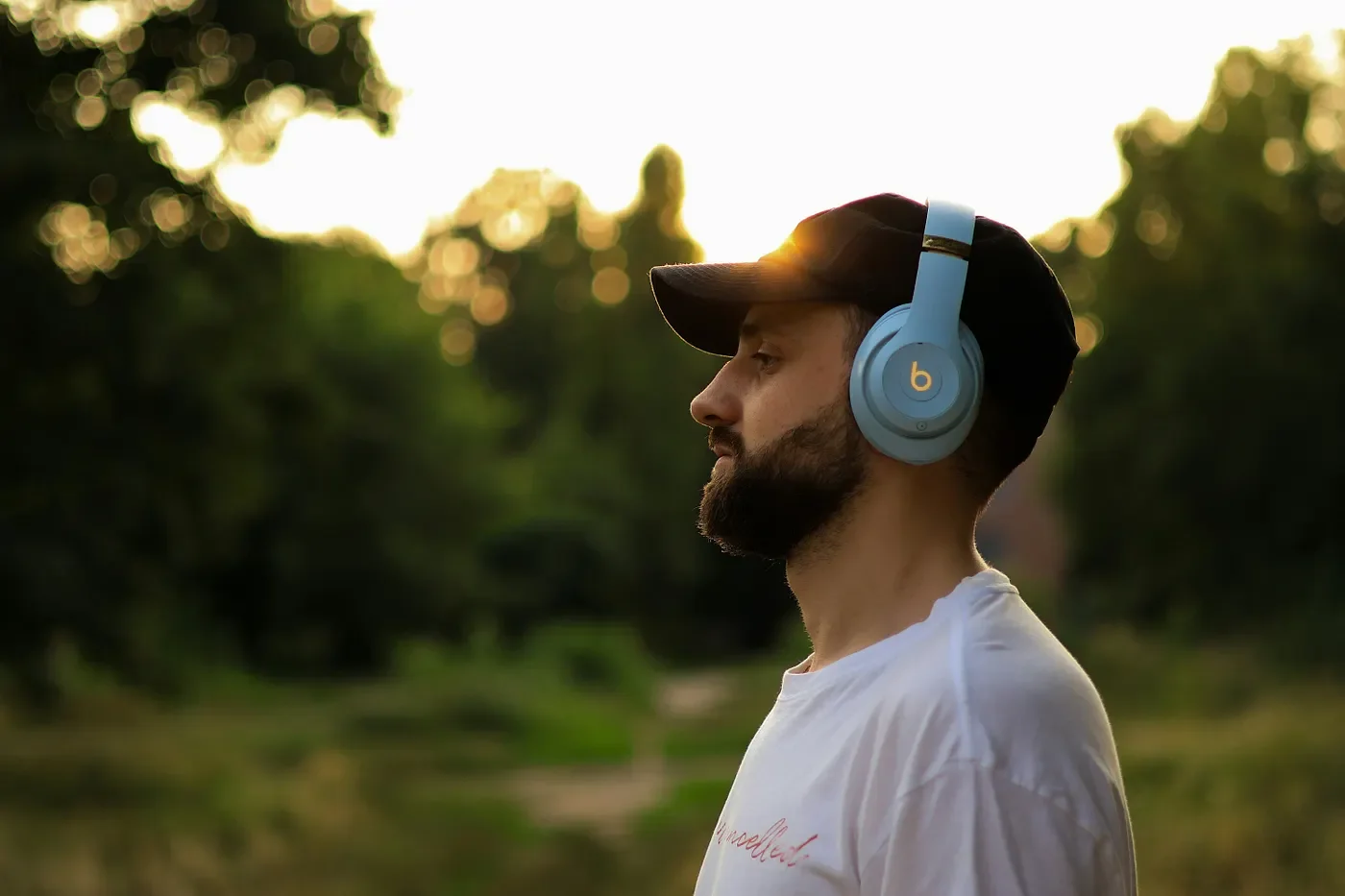
The AuDHD Brain Has No OFF Switch, but You Can Hack It
The neurotypical brain filters out background noise automatically. Mine assigns the same weight to a clock ticking as to a deadline. Every stimulus demands full processing. The answer is not willpower or discipline. It is acoustic engineering: precision-engineered cognitive prosthetics for a brain that cannot be turned off.
The Alexithymia Paradox: Why My Brain Processes Logic Instead of Emotion
I spent years observing my reflected image, searching for a signal that never manifested. My face maintains a constant neutrality that does not respond to environmental fluctuations. I concluded my internal architecture was defective. Then I saw a video about flying fish, creatures that catapult themselves out of the water to occupy a space that does not belong to their biology. I had been doing the same thing.